
Commercial property maintenance isn’t just about upkeep—it’s about preventing six-figure disasters, avoiding OSHA penalties, and keeping tenants from walking. Through a combination of routine inspections, preventive care, and timely repairs, it ensures that everything from HVAC systems and plumbing to landscaping and exterior structures remains in optimal condition. When approached strategically, it not only protects your investment but also enhances tenant satisfaction, improves operational continuity, and minimizes costly disruptions.
But with limited budgets and evolving operational needs, knowing where to begin—or how to execute a plan that works—can be challenging. That’s why this guide simplifies the process by breaking down the five core areas of commercial building maintenance, representing the most critical types of upkeep for long-term performance and value.
Table of Contents
The 5 Core Areas of Commercial Property Maintenance
Effective property management requires more than quick fixes—it demands a strategic approach that blends daily oversight with long-term planning. Whether you’re managing an office complex, a multi-family development, or an institutional facility, every element of the space contributes to its safety, usability, and tenant satisfaction.
By addressing the following five categories, property managers, facility leaders, and owners can build a responsive, cost-efficient commercial property maintenance plan that minimizes liability, extends the life of critical assets, and improves day-to-day operations.
1. Structural & Surface Maintenance
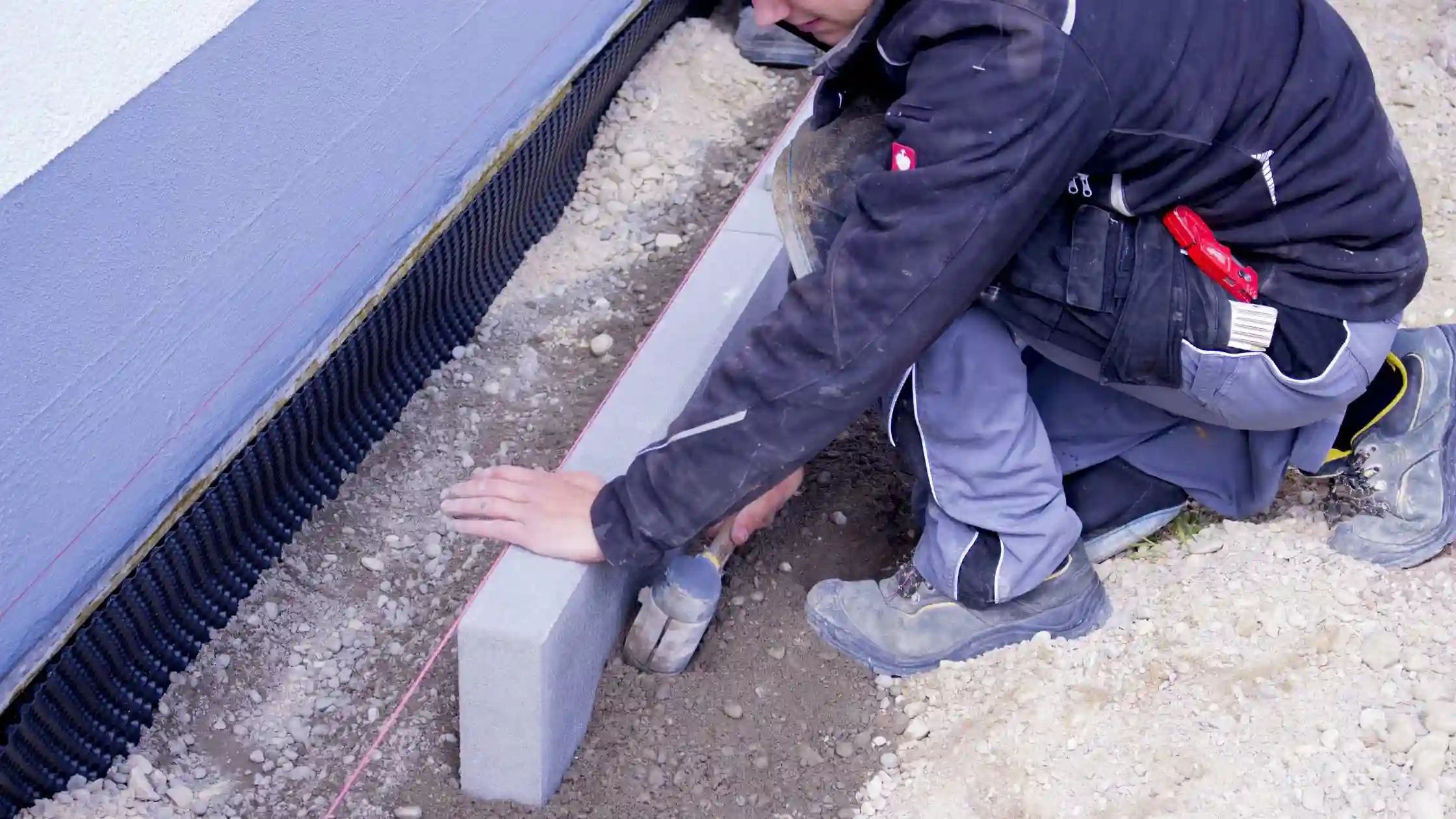
Keeping a commercial building’s exterior and foundation intact is more than a cosmetic decision—it’s a critical safety and liability issue. Trip hazards, cracks, uneven walkways, and poorly maintained parking lots aren’t just eyesores; they’re accidents waiting to happen and potential legal risks in the making.
According to Paul Lengthorn, a member of the Institute of Asset Management, the annual maintenance cost for office buildings in the U.S. typically ranges from $1.60 to $2.80 per square foot, depending on building quality and performance standards. Proactive inspections and regular upkeep help control these costs by minimizing unexpected repairs, improving operational efficiency, and extending the life of core building systems.
Deferred maintenance on pavement and structural components is also widely recognized in the industry as a major cost driver. Small issues—such as cracks, drainage problems, or surface erosion—can escalate quickly if neglected, leading to expensive repairs, safety risks, and liability exposure. That’s why addressing them early is not just a best practice—it’s a smart financial strategy.
Services to consider:
- Property inspections for cracks, pavement deterioration, or subsidence
- Resurfacing and structural repairs before issues worsen
- Timely curb, sidewalk, and access point touch-ups
Benefits:
- Enhances safety and limits legal risk
- Shields structures from weather-related deterioration
- Maintains the integrity of the building envelope
2. Exterior Maintenance & Visual Appeal

Your property’s curb appeal is its handshake—it tells clients, tenants, and guests what kind of operation you run. But beyond first impressions, a deteriorating façade can pose real safety hazards and compromise structural stability.
Ongoing care for outdoor areas, landscaping, and building exteriors is essential—not only for maintaining an attractive space but for reducing risks and preserving long-term value.
Services to consider:
- Landscape design, seasonal refreshes like spring cleaning and winter preparations, and tree care
- Drainage correction and erosion control
- Exterior cleaning like pressure washing, window cleaning, and walkway sanitation
Benefits:
- Boosts curb appeal and occupant perception
- Supports leasing goals and tenant satisfaction
- Meets environmental and municipal code standards
3. HVAC, Electrical, and Plumbing Maintenance
The internal systems of a commercial building must run smoothly to avoid operational disruptions. Your HVAC, electrical, and plumbing systems require structured care—not just reactive repairs.
Minor issues like leaks or clogged fixtures can quickly become hazards. Partnering with a vendor that offers 24/7 response for building service maintenance and preventive service schedules keeps systems efficient and mitigates larger risks.
Services to consider:
- Seasonal HVAC check-ups and filter replacements
- Electrical safety checks and system calibration
- Plumbing inspections, fixture checks, and emergency repairs
Benefits:
- Prevents service interruptions and equipment failure
- Supports productivity and comfort for occupants
- Ensures code compliance and energy efficiency
4. Cleaning & Janitorial Services
Clean spaces promote productivity, health, and satisfaction. A structured commercial cleaning schedule—paired with deep cleaning services like carpet care or floor waxing—makes a big difference in how a space looks and feels.

Services to consider:
- Routine cleaning and sanitization of shared spaces, restrooms, and entry points
- Scheduled deep carpet cleaning and floor maintenance
- Exterior sanitation such as sidewalk pressure washing and graffiti removal
Benefits:
- Fosters a welcoming, hygienic environment
- Limits the spread of illness
- Improves property perception and tenant retention
5. Compliance, Documentation & Long-Term Planning
A truly effective commercial property maintenance strategy goes beyond fixing immediate issues—it ensures your facility remains compliant, well-documented, and ready for long-term success. Maintenance isn’t just about appearances or performance; it’s also about meeting standards set by organizations like OSHA (Occupational Safety and Health Administration) and NFPA (National Fire Protection Association), which exist to protect both property and people.
Routine inspections, Facility Condition Assessments (FCAs), and well-documented service logs play a vital role in ensuring your property stays ahead of regulatory requirements. Aligning your maintenance activities with current codes not only helps you avoid costly penalties but also demonstrates your commitment to occupant safety and professional standards.
IoT sensors and predictive tools can further enhance compliance by offering real-time alerts and data-driven insights that help identify risks early. Coupled with a structured 5–10 year maintenance plan, these systems ensure your building is prepared for audits, emergencies, and future upgrades.
Benefits:
- Meets federal and local compliance requirements
- Reduces legal risk and safety violations
- Enhances transparency, accountability, and risk management
- Supports long-term capital planning and asset longevity
What Effective Commercial Property Management Looks Like
Well-maintained properties are built on a foundation of structured planning, reliable teams, and consistent documentation. At the core is a regular maintenance schedule that ensures nothing falls through the cracks. In daily operations, this often begins with general maintenance tasks, which play a crucial role in keeping the property functional and presentable.
Whether handled by an internal team or a trusted vendor, expectations remain the same: fast response to emergencies, well-documented service history, a balanced approach to preventive and corrective maintenance, and minimal business disruption.
With the right systems and partnerships in place, commercial property owners and managers can protect their assets, improve safety, and create a space where people feel confident, productive, and well cared for.
Atlas Facilities Maintenance Provides Comprehensive Commercial Property Services
At Atlas Facilities Maintenance, we see property maintenance as more than a service—it’s protection. It’s about safeguarding your investment, minimizing risk, and delivering peace of mind. What started as a commercial cleaning company in Portland, Oregon, has grown into a trusted partner for offices, schools and universities, and multi-family properties across the region.
Our experienced team combines cutting-edge tools with a commitment to transparency, flexibility, and on-time delivery. Whether you’re managing routine upkeep or planning long-term improvements, we’ll help you design a customized commercial property maintenance plan that fits your goals and your budget.
Let’s build a safer, smarter, and more sustainable property—together.
FAQ: Commercial Property Maintenance
What is considered general maintenance?
General maintenance refers to recurring tasks that help keep the building clean, functional, and safe—without requiring specialized technicians. These include adjusting thermostats, changing lightbulbs, touching up paint, clearing debris, and checking fire alarms. While simple, they’re essential to the daily upkeep of a commercial space.
What is maintenance for a commercial building?
Maintenance for a commercial building refers to the ongoing process of keeping all building systems and spaces in working order. It encompasses tasks that ensure safety, functionality, appearance, and compliance—from HVAC servicing and plumbing to structural repairs, cleaning, and landscaping. Effective maintenance supports uninterrupted business operations and long-term asset performance.
What are the different types of building maintenance?
- Preventive maintenance: Scheduled work designed to prevent equipment or systems from failing.
- Corrective maintenance: Repairs made after a problem occurs.
- Predictive maintenance: Data-driven actions taken to anticipate issues before they cause disruptions.
Understanding how to apply these across your property helps owners, managers, and facility teams make smarter, cost-effective decisions. You can learn more about the different types of facilities maintenance in our article.

