
In high-traffic environments like schools, universities, healthcare facilities, and office buildings, carpets do more than just cushion footsteps—they collect germs, allergens, and debris. Without proper care, these soft surfaces become breeding grounds for bacteria and odors. That’s where disinfecting carpet plays a crucial role in commercial cleaning routines. It’s not just about appearance; it’s about health, safety, and professional standards.
While vacuuming and general cleaning may remove visible dirt, they don’t tackle harmful pathogens buried deep within carpet fibers. Whether dealing with wall carpeting in classrooms or wool carpet in a patient waiting area, regular disinfection ensures a cleaner, safer environment. From steam cleaning to antimicrobial carpet cleaners, there are many effective and industry-approved carpet sanitization methods to explore.
For businesses looking to use certified disinfectants, the EPA’s List N of approved disinfectants provides guidance on the most effective products for eliminating viruses and bacteria on soft surfaces, including carpets. Additionally, understanding regulations from agencies such as OSHA and the CDC ensures compliance with workplace hygiene standards.
Table of Contents
Why Disinfecting Carpet Is Essential for Commercial Facilities
Carpets in commercial spaces—whether in schools, universities, healthcare buildings, or corporate offices—serve more than just an aesthetic function. They act as massive air filters, trapping loose debris, dust, allergens, and bacteria that accumulate over time due to foot traffic. Unlike hardwood floors, where contaminants remain on the surface and are easily cleaned, carpets hold carpet dust, moisture, and pathogens deep within their carpet fibers. Without regular disinfecting carpet practices, facility managers risk exposing occupants to health hazards, air quality issues, and costly damages.
What Lurks in an Unmaintained Carpet?
Many assume that routine vacuuming and occasional carpet cleaning are enough, but vacuuming alone only removes surface-level dirt. Over time, neglected carpets become breeding grounds for:
Bacteria & Viruses
High-touch areas like office lobbies, hospital waiting rooms, and university hallways accumulate harmful microbes that can linger in soft surfaces for extended periods. Without antimicrobial carpet cleaners or carpet sanitizing treatments, pathogens continue spreading through airborne particles and foot traffic.
Research found a correlation between microbial contamination and ill health in crowded, mold-damaged environments, with pathogens becoming airborne and increasing exposure risk. The same study noted that microbial diversity intensifies with foot traffic, further compounding the risk of transmission in shared indoor spaces.
Mold & Mildew Growth
When damp carpet is left untreated—whether due to spills, leaks, or improper drying after steam cleaning—moisture seeps into the backing, creating ideal conditions for mold. Water damage can rapidly escalate into structural hazards, affecting air quality and causing carpet salvageable issues.
Two notable studies confirm that moisture-damaged buildings have higher instances of mold growth and associated respiratory health problems. Another one even recommends professional remediation—including carpet cleaning or replacement—as a critical intervention to prevent mold proliferation.
Allergens & Poor Air Quality
Accumulated carpet dust, pollen, pet dander, and mold spores get trapped within carpet materials and re-circulate into the air. Poor carpet care leads to increased asthma and allergy symptoms among building occupants.
Evidence points to a strong link between indoor dampness, mold presence, and heightened rates of respiratory issues such as asthma and allergies. Exposure to airborne allergens like dust mites and mold spores has also been shown to aggravate existing respiratory conditions, emphasizing the importance of thorough and consistent carpet maintenance.
The Risks of Neglecting Carpet Disinfection
Failing to disinfect carpets regularly leads to serious health, financial, and operational risks:
Increased Illness & Allergies
Without a proper carpet sanitization process, allergens, bacteria, and viruses thrive, leading to higher instances of respiratory infections, allergic reactions, and flu outbreaks—especially in schools, universities, and healthcare environments.
Persistent Odors & Stale Air Quality
A dirty carpet not only looks bad but also holds odors from spills, sweat, and airborne contaminants. Without commercial disinfectant sprays or professional treatments, odors become trapped, affecting the building’s atmosphere.
Contaminated carpets are known to trap unpleasant odors that linger and contribute to stale air quality. Research suggests that prolonged exposure to damp or soiled materials has also been associated with adverse respiratory effects and a noticeable decline in indoor freshness. Musty or moldy smells are often an early indicator of microbial buildup, signaling deeper air quality concern.
Structural & Water Damage
If water damage is not addressed immediately, moisture trapped in wall carpeting or carpet floor padding can cause mold growth, weakening the building’s infrastructure.
Left unchecked, moisture can seep deep into carpet layers and adjacent structures, creating ideal conditions for mold and mildew to flourish. This not only compromises air quality but can also erode structural integrity over time. Buildings exposed to long-term water damage often experience more extensive repairs due to weakened foundations and embedded microbial contamination.
Faster Carpet Deterioration
Dirt and contaminants cause carpet fibers to break down faster, reducing the longevity of the investment. Proper deep cleaning carpets using steam cleaner treatments extends carpet life, preventing premature replacement.
Regular accumulation of grime accelerates fiber degradation, causing carpets to lose their durability and visual appeal (Fisk et al., 2019). Consistent maintenance using professional methods has been shown to preserve carpet quality, reduce replacement costs, and support healthier indoor environments (Betancourt et al., 2013).
Regulatory Compliance Issues
Industries like healthcare, education, and corporate facilities have strict sanitation standards. Neglecting carpet sanitizing can result in failed inspections, fines, or even shutdowns. The EPA, OSHA, and CDC recommend regular disinfection using EPA-approved commercial disinfectant sprays to maintain compliance.
Key Considerations When Disinfecting Carpets

Assess Carpet Traffic and Contamination Risks
Facility managers should conduct periodic assessments to determine which areas experience the highest foot traffic and are most susceptible to contaminants such as spills, allergens, and microbial growth. Areas such as lobbies, waiting rooms, and hallways will require more frequent disinfection than low-traffic zones.
Choose the Right Disinfection Method for Your Facility
Selecting the right cleaning and disinfection method depends on carpet type, usage level, and the nature of contaminants. Steam cleaning is highly effective for deep disinfection, while encapsulation cleaning or low-moisture methods may be more suitable for environments requiring fast drying times, such as office spaces or classrooms.
Below are key commercial carpet cleaning methods to consider:
- Steam Cleaner Systems – Ideal for deep cleaning carpets and killing germs in one process.
- Encapsulation Cleaning – Uses a polymer-based solution to trap dirt and allow for easy vacuuming, reducing moisture use.
- Dry Powder Cleaning – Suitable for carpets that cannot tolerate water exposure, often used in corporate and retail spaces.
- Hot Water Extraction – Recommended for high-traffic zones that require frequent carpet sanitization.
- Antimicrobial Carpet Treatments – Prevents bacterial growth between deep cleans, ensuring long-term carpet care.
Ensure Compliance with Industry and Health Standards
Workplaces and public facilities must adhere to industry sanitation standards. Ensuring compliance with EPA, OSHA, and CDC guidelines when selecting antimicrobial carpet cleaners will help mitigate health risks and maintain regulatory standards.
Invest in Preventative Measures To Reduce Frequent Contamination
Facility managers should implement preventative maintenance strategies, such as placing entryway mats to trap dirt, scheduling regular vacuuming, and applying antimicrobial treatments to extend the cleanliness of carpets between deep cleaning sessions. For even deeper disinfection, consider using electrostatic sprays, which evenly coats carpet fibers with disinfectant for more comprehensive and long-lasting protection.
Plan for Emergency Cleaning Needs
Unforeseen spills, leaks, or contamination events require quick intervention. Facility managers should have emergency cleaning protocols in place and establish partnerships with commercial carpet cleaning services that can provide on-demand sanitization when needed.
Making Carpets Salvageable After Damage
In cases where carpet materials are heavily stained, contaminated with bodily fluids, or exposed to biohazards such as mold spores or pathogens, the carpet sanitization process becomes significantly more intensive. Technicians may begin by isolating the affected area to prevent cross-contamination and proceed with applying industrial-grade cleaning solution options specifically designed for antimicrobial action.

These products often meet EPA standards and are capable of neutralizing viruses, bacteria, and fungi at the source. The process may also involve hot water extraction, high-pressure steam treatment, and the use of a center agitator to loosen embedded biological material. Once treated, professionals assess whether the carpet is salvageable based on fiber integrity, moisture retention, and whether contaminants have reached the backing or subfloor.
In facilities like hospitals and universities, this level of care is essential not only for aesthetics but for health code compliance. Sometimes, the distinct difference between a clean, fresh-smelling carpet and one that poses a health hazard lies entirely in whether professional disinfection has been properly conducted.
When to Call in Professional Carpet Cleaning Services
While in-house janitorial teams can manage routine cleaning and disinfecting carpet surfaces, there are times when professional carpet cleaning services become not just beneficial but absolutely essential. In commercial spaces such as schools, universities, healthcare facilities, and corporate offices, carpets endure significant foot traffic, spills, and contamination, making it crucial to bring in experts for a more thorough cleaning and disinfection process. Some situations where professional services are necessary include:
- After a viral outbreak or seasonal flu surge in schools and workplaces: Pathogens can linger in carpet fibers, making professional-grade disinfecting carpet treatments crucial for health and safety.
- When dealing with water damage from leaks or floods: Damp carpet is a breeding ground for mold and bacteria. Professional deep cleaning carpets with industrial equipment can remove excess moisture and prevent further damage.
- To prepare high-visibility areas for inspections or events: Clean carpets contribute to a professional and well-maintained environment, essential for corporate meetings, academic conferences, and healthcare audits.
- For annual or semi-annual deep cleaning in healthcare or educational environments: Institutions such as hospitals, clinics, and universities require scheduled commercial carpet cleaning services to ensure compliance with health standards and maintain a sanitary atmosphere.
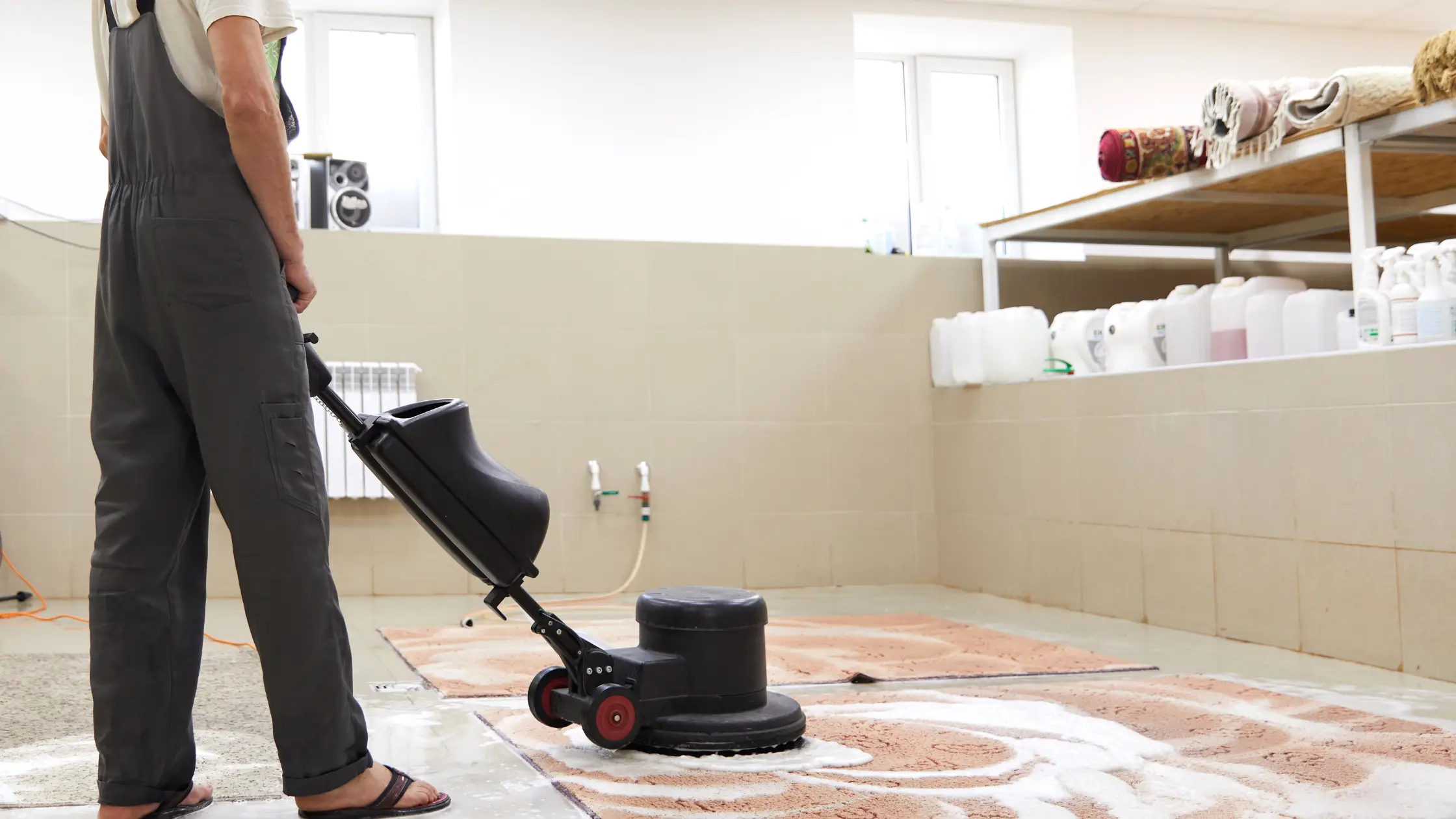
These experts use specialized disinfecting carpet products and equipment, such as commercial carpet cleaning services with carpet steam cleaners, antimicrobial treatments, and advanced extraction methods, to deliver superior results. By employing powerful steam cleaner systems and EPA-approved disinfectants, professional cleaners can eliminate deep-seated contaminants, ensuring that carpets not only look clean but also remain hygienic and safe for prolonged use.
Trust Atlas Facilities Maintenance for Reliable Carpet Sanitizing
Disinfecting carpets in commercial spaces isn’t just a checkbox—it’s a vital part of maintaining the health and integrity of your environment. Whether you manage a busy university, an active healthcare facility, a multifamily housing complex, or a government office, clean carpets play a key role in creating a safe, professional, and welcoming atmosphere. At Atlas Facilities Maintenance, our commercial carpet cleaning services are designed to ensure carpets are not only visually appealing but also free from bacteria, allergens, and contaminants that could impact health and air quality. From deep cleaning carpets with steam cleaners to applying certified antimicrobial carpet cleaners, we take carpet sanitization to the next level.
But our expertise doesn’t stop at carpets. Founded in Oregon, Atlas Facilities Maintenance started as a dedicated commercial cleaning company in Portland. We offer a full range of facility maintenance services to ensure your entire commercial space remains in top condition. Our comprehensive services include commercial cleaning, exterior building maintenance, commercial landscaping, and HVAC system maintenance. Whether it’s keeping high-traffic areas pristine, managing water damage restoration, or maintaining energy-efficient HVAC systems, we tailor our solutions to meet your unique needs.
We proudly serve a diverse range of commercial properties, including schools, universities, hospitals, medical offices, corporate buildings, warehouses, government facilities, and multifamily housing complexes. With Atlas Facilities Maintenance, you gain a trusted partner committed to keeping your environment clean, safe, and professionally maintained.
Let Atlas help you protect your people and your property. Contact us today to learn more about our disinfecting carpet solutions, commercial facility maintenance, and the difference that professional cleaning can make for your business or institution.
FAQ: Why Disinfecting Carpets Is Critical for Business
Why is disinfecting carpet in commercial spaces important?
Carpets in commercial settings, such as schools, healthcare facilities, and office buildings, accumulate dust, allergens, bacteria, and viruses due to heavy foot traffic. Regular disinfection prevents the spread of illness, improves indoor air quality, and extends the lifespan of the carpet.
How often should commercial carpets be disinfected?
The frequency of disinfection depends on the level of foot traffic and the nature of the facility. High-traffic areas like hospital waiting rooms, university lecture halls, and corporate lobbies should be disinfected at least weekly, while lower-traffic areas may only need monthly treatments. Deep cleaning should be performed at least twice a year.
What’s the difference between carpet cleaning and carpet disinfecting?
Cleaning removes dirt, stains, and visible debris, while disinfecting eliminates bacteria, viruses, and fungi embedded in carpet fibers. Disinfection requires EPA-approved antimicrobial solutions and steam cleaning to effectively kill pathogens.
Can I use any disinfectant on carpets?
Not all disinfectants are suitable for soft surfaces like carpet. The EPA’s List N provides disinfectants approved for use on carpets. Avoid using bleach or harsh chemicals that can damage fibers or discolor the carpet.
How long does it take for carpets to dry after disinfection?
With proper air circulation, carpets can dry within 30 minutes to a few hours. Using commercial fans and HVAC systems speeds up the drying process, reducing the risk of mold growth.
What’s the risk of not disinfecting carpets regularly?
Neglecting carpet disinfection can lead to increased allergens, mold growth, bacterial buildup, unpleasant odors, and even pest infestations, impacting indoor air quality and health.
Is steam cleaning enough to disinfect carpets?
Steam cleaning is highly effective in disinfecting carpets, but combining it with antimicrobial treatments offers the best results. Pathogens embedded deep in carpet fibers may require professional-grade disinfectants.
Can commercial carpets be disinfected without water?
Yes, dry cleaning and encapsulation methods use minimal moisture and are ideal for businesses that need to disinfect carpets with quick drying times.
Are disinfected carpets safe for employees and visitors?
Yes! Professionally disinfected carpets improve indoor air quality and reduce allergen exposure, making them safer for everyone, especially in healthcare settings, educational institutions, and corporate offices. So make sure to disinfect carpets regularly!

