A clean school is essential for fostering a healthy learning environment. Educational institutions, including public schools and prestigious universities, face unique challenges in maintaining clean environments due to high foot traffic, diverse facility usage, and varying sanitation requirements.
These challenges include managing high-touch surfaces, ensuring proper ventilation, and addressing specialized areas like science labs, kitchens, and athletic facilities. From routine classroom cleaning and bathroom sanitation to targeted disinfection protocols in high-risk zones, a professional school cleaning company brings expertise and resources to meet these demands effectively. Their role is pivotal in creating a safe, healthy, and conducive environment for learning, ultimately supporting the well-being and success of both students and staff.
Table of Contents
School Bacteria Hotspots
Did you know that desks are 400 times dirtier than toilet seats?
Schools are hotspots for germs, especially in high-traffic zones and high-touch surfaces like light switches, and doorknobs. Research shows that high-touch areas, such as door handles, can harbor thousands of bacteria, germs, and other micro-organisms that live from hours to months at a time. Without frequent cleaning and regular disinfection, these surfaces can significantly contribute to the spread of illnesses and other health risks. As students and staff move throughout high-traffic zones such as hallways, cafeterias, and common areas, the risk of cross-contamination grows exponentially.
The Library
While common areas receive regular attention, one frequently overlooked germ hotspot is the school library. Studies have found that libraries can harbor a variety of harmful microorganisms, including multidrug-resistant (MDR) bacteria, on high-touch surfaces such as books, desks, and seating areas. Research from university and public libraries has identified bacterial species like Staphylococcus, Bacillus, and Enterobacteriaceae on shared materials, raising concerns about bacterial transmission—especially among children with developing immune systems.
Additionally, a case study from the King Abdulaziz Public Library in Saudi Arabia highlighted high levels of biological contamination, reinforcing the need for routine disinfection of library materials. This aligns with findings from other studies that indicate indoor air quality in libraries can exceed acceptable microbial thresholds, which raises concerns about the health impacts on individuals frequenting these spaces Without proper sanitization protocols, libraries can become breeding grounds for bacterial transmission, increasing the risk of illness among students who frequently handle shared books, desks, and seating areas.
A professional school cleaning service mitigates these risks through enhanced cleaning protocols tailored to the specific needs of educational facilities. These protocols not only ensure cleanliness but also promote a safer, healthier environment for students and staff, fostering a culture of wellness and reducing absenteeism due to preventable illnesses.
Water Fountains
A study by NSF International found that a classroom water fountain spigot can harbor up to 2.7 million bacterial cells per square inch. With hundreds of students using them daily, these fountains can easily become contaminated, especially when located near restrooms. Studies have found that fountains in high-traffic areas are more likely to contain harmful bacteria, increasing the risk of illness.
One major issue is the buildup of germs inside the fountain itself. Over time, bacteria can form layers inside the pipes and nozzles, making it harder to keep the water clean. Without regular deep cleaning, these hidden germs can continue to grow and spread. Research has also shown that water from school fountains often fails to meet safety standards, meaning students could unknowingly be drinking contaminated water.
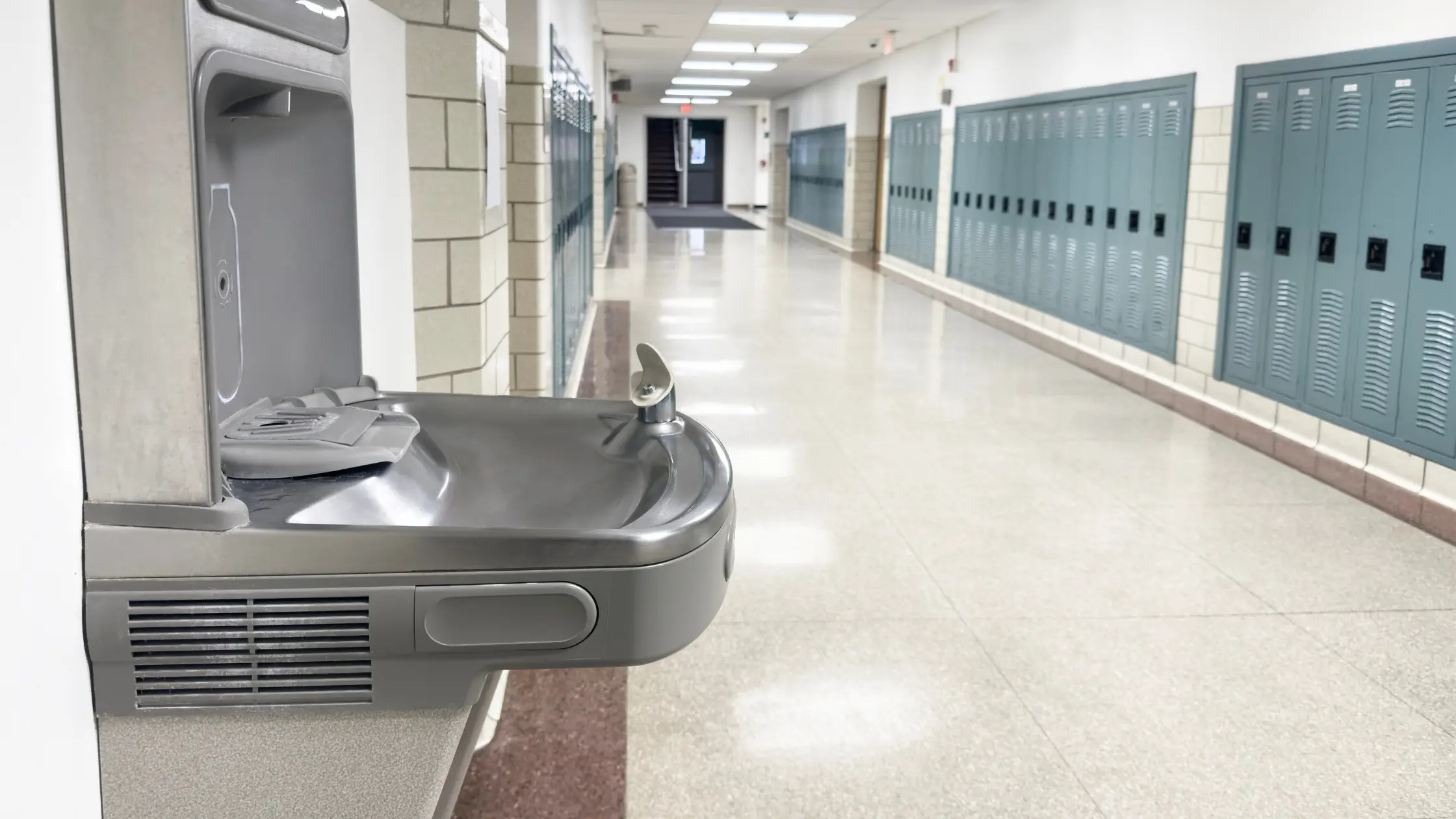
Beyond health concerns, many students avoid school water fountains altogether because they don’t trust their cleanliness. Instead, they turn to sugary drinks or bottled water, which can lead to unhealthy habits and increased waste. Schools can help minimize these risks by implementing routine sanitization, proper maintenance, and regular monitoring of water quality. Professional cleaning services are available to ensure fountains remain safe for use, preventing contamination and reinforcing confidence in campus drinking water.
Cafeteria
School cafeterias are another critical area where germs can thrive, posing serious health risks to students and staff. With hundreds of individuals touching trays, utensils, and tables daily, these high-contact surfaces can quickly become breeding grounds for bacteria, viruses, and mold.
Research has found that nearly 50% of surfaces in cafeteria environments are contaminated with pathogenic bacteria, with tables, trays, and utensils showing the highest levels of contamination. Without rigorous cleaning protocols, these communal dining spaces can facilitate the rapid spread of foodborne illnesses.
One of the most persistent threats in cafeterias is Salmonella, a bacterium known for causing foodborne illness. Studies indicate that Salmonella can survive on surfaces for extended periods, making it a lingering hazard in dining environments. Similarly, norovirus, a leading cause of gastroenteritis outbreaks, poses a major concern. According to the Centers for Disease Control and Prevention (CDC), norovirus is responsible for 19 to 21 million illnesses each year in the U.S., with many outbreaks originating from food service settings—including school cafeterias. A notable case study involved a university cafeteria outbreak that sickened over 100 people due to contaminated food prepared by an infected worker, highlighting the critical need for strict hygiene measures.
Key Benefits of Professional School Cleaning Services
- Safety and Health for Students and Staff Professional school cleaners use specialized cleaning supplies and advanced equipment like electrostatic sprayers to sanitize high-risk areas effectively.
This process reduces adverse health effects and helps maintain a healthy environment. These cleaners are trained to focus on critical zones, such as restrooms, cafeterias, and entryways, which see heavy foot traffic and are prone to contamination. By using EPA-approved disinfectants and adhering to stringent safety protocols, they ensure thorough germ elimination. The Centers for Disease Control and Prevention (CDC) emphasizes the importance of cleaning and disinfecting facilities to prevent the spread of harmful germs. Moreover, professional cleaning services contribute to reducing absenteeism caused by illnesses, creating a healthier and more productive school environment. - Improved Indoor Air Quality Through air duct cleaning and the use of green cleaning products, professional cleaners enhance indoor air quality, creating a more comfortable space for learning.
The EPA provides recommendations for maintaining healthy indoor air quality in schools, which is essential for preventing respiratory issues and ensuring student well-being. The CDC provides guidelines on maintaining healthy environments in educational facilities, including proper ventilation and cleaning practices. - Tailored Cleaning Plans Every school has unique cleaning requirements due to differences in size, layout, and usage of facilities.
For instance, schools with extensive athletic programs require specialized cleaning for locker rooms and sports facilities, while schools with a focus on STEM education need targeted cleaning in science labs to prevent chemical contamination. A professional school cleaning contractor develops cleaning plans that include tasks like biohazard cleaning, classroom cleaning, and bathroom cleaning to meet these diverse needs.
These tailor-made strategies ensure no area is overlooked, addressing the unique risks associated with high-traffic zones, shared equipment, and specific room functions. Implementing customized cleaning plans not only reduces the risk of germ transmission but also creates a more efficient and effective cleaning process, ensuring that resources are allocated where they are needed most. - Enhanced Learning Environments Cleanliness directly affects student focus and academic performance.
A culture of cleanliness in school environments promotes a conducive learning environment, improving productivity and reducing distractions. Special attention is given to high-touch and high-traffic areas to minimize the spread of germs. As students transition between classrooms, cafeterias, and shared facilities, these high-traffic zones can become breeding grounds for germs if not regularly maintained.
Comprehensive cleaning efforts, such as frequent disinfection and routine maintenance, ensure that these areas remain safe and inviting. The National School Boards Association notes that frequent disinfection of high-touch surfaces can significantly reduce absenteeism due to illness, further highlighting the critical role of cleanliness in supporting student success.

Comprehensive School Cleaning Services
Routine Cleaning Tasks
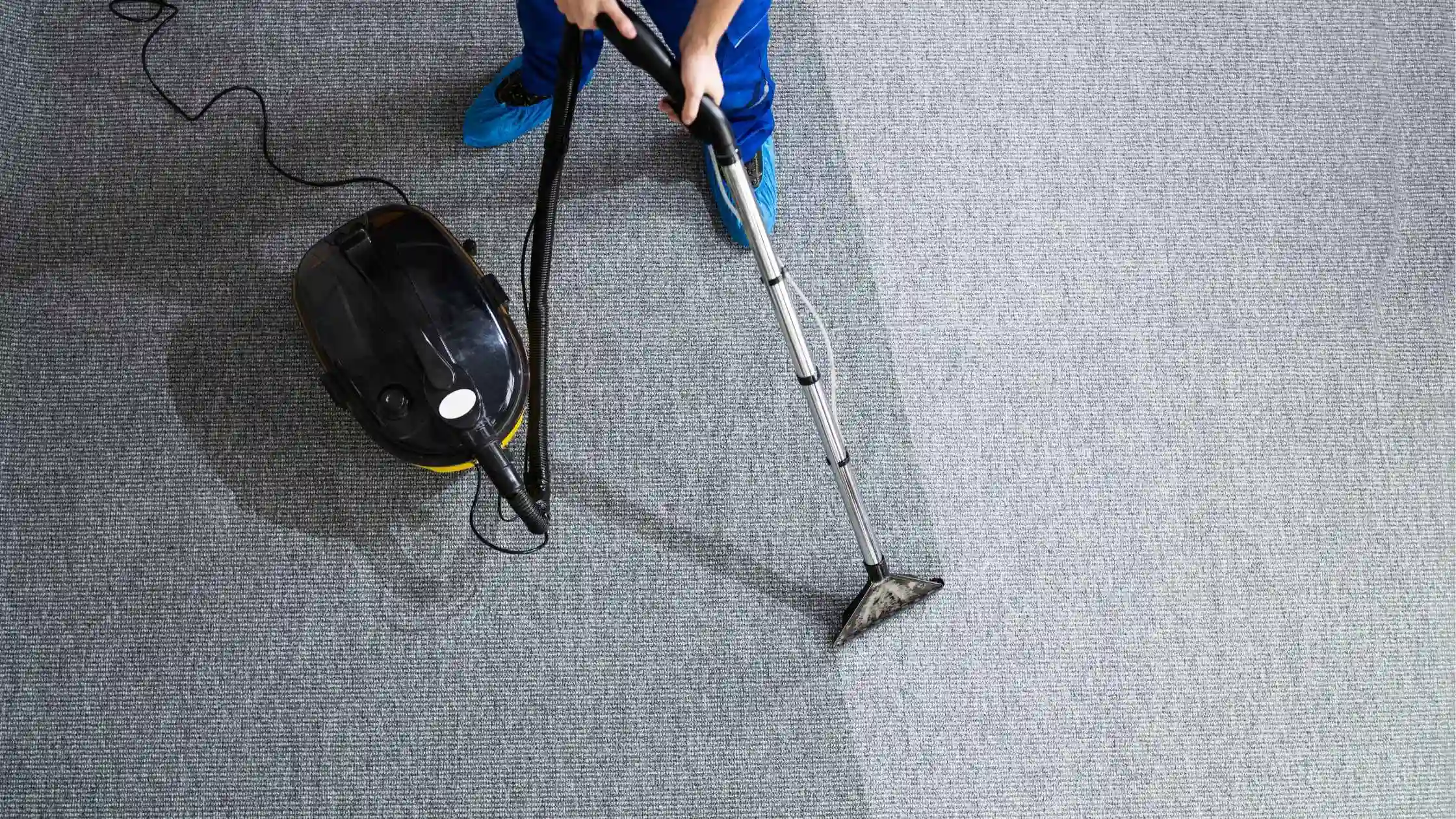
Routine cleaning tasks like vacuuming, mopping, and sanitizing high-touch areas ensure school spaces remain safe and hygienic. Using carpet cleaners and surface polishing, cleaners address the condition of floors and other surfaces to ensure long-lasting quality.
While some programs encourage students to take part in basic cleaning routines, such as wiping down desks or organizing classroom materials, these efforts often lack the thoroughness and consistency required to maintain high standards of cleanliness.
Relying solely on such initiatives can leave critical areas like high-touch surfaces and restrooms inadequately cleaned. Professional cleaning services, equipped with advanced tools and trained staff, ensure that these tasks are completed efficiently and effectively. The CDC recommends regular cleaning and disinfection of frequently touched surfaces to maintain a healthy environment, underscoring the importance of expert oversight in school cleaning.
Emergency Cleaning Services
Unforeseen challenges, such as outbreaks or spills, require emergency cleaning. When these incidents arise, they can quickly escalate, leading to health risks and operational disruptions if not addressed promptly. Professional school cleaning services handle these situations efficiently, ensuring minimal disruption to the school day. These services often include rapid response teams equipped with specialized tools and protective equipment to tackle unexpected hazards effectively. For instance, a significant spill in a science lab or a sudden illness outbreak in a cafeteria demands immediate attention to prevent contamination and further risks.
The inclusion of organic compounds in cleaning solutions further supports a sustainable and effective cleaning process, reducing environmental impact while maintaining safety. The CDC provides guidance on cleaning and disinfecting facilities during various situations, including outbreaks, ensuring schools stay prepared for emergencies of any scale. By acting swiftly and comprehensively, professional cleaning services play a crucial role in safeguarding both health and education continuity.

Green Cleaning Programs
Today’s school cleaning companies incorporate green cleaning programs, which include using organic cleaning solutions and environmentally friendly cleaning products. This approach aligns with sustainability goals, reduces the environmental footprint of cleaning processes, and ensures safer learning spaces for students. Green cleaning practices are essential in minimizing exposure to harsh chemicals, especially for children, who are more sensitive to such exposures. The EPA Safer Choice program identifies cleaning products that meet stringent safety and environmental standards, offering a reliable framework for schools to select safer, more sustainable options.
Implementing these programs not only improves the overall Cleaning Quality but also contributes to long-term health benefits by improving indoor air quality and reducing the presence of toxic residues on surfaces. The CDC offers resources on hand hygiene and cleaning in educational settings, supporting schools in adopting green cleaning practices that align with health and safety standards.
Addressing Challenges in School Cleaning
Facility managers face many challenges in maintaining education facilities, such as budget limitations, staff shortages, and ensuring compliance with cleaning standards. These challenges are further compounded by the increasing demand for environmentally friendly practices and the need to address unexpected issues like illness outbreaks or severe weather conditions. Failure to meet these challenges can lead to unclean and unsafe learning environments, potentially disrupting daily operations and impacting student and staff well-being. Partnering with a professional commercial cleaning company offers effective and scalable solutions, including:
- Regular cleaning exercises in common spaces and communal spaces, ensuring these high-traffic areas are consistently sanitized and inviting.
- Special attention to science labs, kitchens, and restrooms, where proper cleaning protocols are critical for maintaining safety and preventing cross-contamination.
- Prevention of the spread of pathogens through frequent disinfection and the use of effective cleaning methods, supported by advanced tools like electrostatic sprayers.
The CDC provides comprehensive guidelines for cleaning and disinfecting public spaces, workplaces, businesses, schools, and homes. These guidelines cover a wide array of best practices, such as choosing the right cleaning products, ensuring proper ventilation, and implementing targeted cleaning protocols for high-risk areas. By following these recommendations, facility managers can not only meet compliance standards but also enhance the overall safety and hygiene of their buildings, ensuring a healthy environment for all occupants.

The Role of Atlas Facilities Maintenance in School Cleaning
Founded in Oregon, Atlas Facilities Maintenance began as a dedicated commercial cleaning company in Portland. Today, it has evolved into a trusted partner for maintaining educational facilities, offering a comprehensive range of services to schools and universities, healthcare facilities, and multifamily properties.
From classroom cleaning and bathroom cleaning to athletic facility cleaning and science labs, Atlas ensures that school spaces remain safe, hygienic, and conducive to learning. Services include:
- Commercial Cleaning: Ensuring spotless interiors with routine cleaning tasks, frequent disinfection, and sanitizing high-touch surfaces.
- Exterior Building Cleaning: Enhancing curb appeal and building longevity through pressure washing, window cleaning, and more.
- Building Service Maintenance: Providing proactive repairs and maintenance to support uninterrupted operations.
- Commercial Landscaping: Delivering vibrant and sustainable landscaping services to create attractive outdoor environments.
By focusing on comprehensive cleaning measures and leveraging green cleaning practices, Atlas Facilities Maintenance addresses the unique cleaning requirements of its clients while fostering a culture of cleanliness. With its commitment to creating a healthy environment for students, staff, and residents, Atlas delivers unmatched service quality that enhances the overall safety and appeal of every facility it serves. Quality inspections and adherence to high cleaning standards ensure all spaces, including communal and high-risk areas, are properly maintained.
In response to the challenges brought by the coronavirus pandemic, Atlas Facilities Maintenance has implemented advanced cleaning protocols to provide safer and cleaner environments for students and staff alike. These measures include routine deep cleaning of high-touch areas, frequent disinfection of high-traffic zones, and the use of cutting-edge tools like electrostatic sprayers to ensure thorough sanitization. Additionally, Atlas continues to adapt its practices by staying aligned with evolving CDC guidelines, ensuring educational facilities remain resilient against emerging health threats. This unwavering commitment underscores Atlas’s role as a trusted partner in maintaining healthy and productive school environments.
For more information about our services or to discuss your school’s specific cleaning needs, contact Atlas Facilities Maintenance today. Our team is ready to provide tailored solutions that ensure the safety, cleanliness, and success of your educational facility.
FAQ: Exceptional School Cleaning for a Safe Learning Environment
Why is school cleaning important?
School cleaning is vital for maintaining a healthy learning environment, reducing the spread of germs, and ensuring students and staff remain productive. Regular cleaning and disinfection, particularly in high-traffic and high-touch areas, help prevent illness and absenteeism.
What areas should be prioritized in school cleaning?
High-touch areas like desks, light switches, doorknobs, and common spaces like hallways, cafeterias, and restrooms should be prioritized. Specialized spaces such as science labs and athletic facilities also require attention to prevent cross-contamination.
How can professional school cleaning services reduce absenteeism?
Professional cleaning services utilize advanced tools and protocols to thoroughly sanitize and disinfect surfaces, reducing the presence of germs that cause illnesses. This directly leads to fewer absences due to health issues among students and staff.
What tools and products do professional school cleaners use?
Professional cleaners use EPA-approved disinfectants, electrostatic sprayers for thorough coverage, microfiber cloths, and green cleaning products to ensure effective and sustainable cleaning.
What role does the CDC play in school cleaning guidelines?
The CDC provides comprehensive guidelines for cleaning and disinfecting schools, emphasizing proper ventilation, targeted cleaning of high-touch areas, and using effective cleaning products to maintain health and safety standards.
Why should facility managers partner with a professional cleaning company?
Professional cleaning companies offer tailored solutions, advanced tools, and trained staff to address the unique cleaning needs of schools. This partnership ensures compliance with safety standards and helps maintain a hygienic, welcoming environment.